
The Institute for Democracy and Mediation (IDM) held National Conference “Public Ethics and Participatory Governance”
How can we build more trustworthy, transparent, and citizen-oriented institutions?
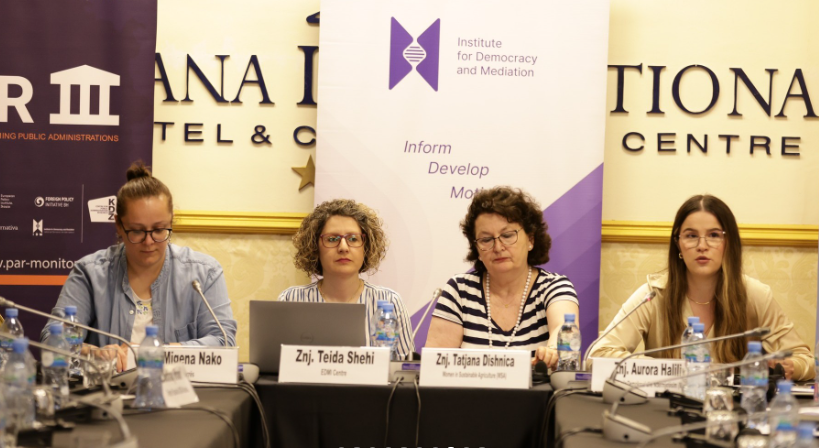
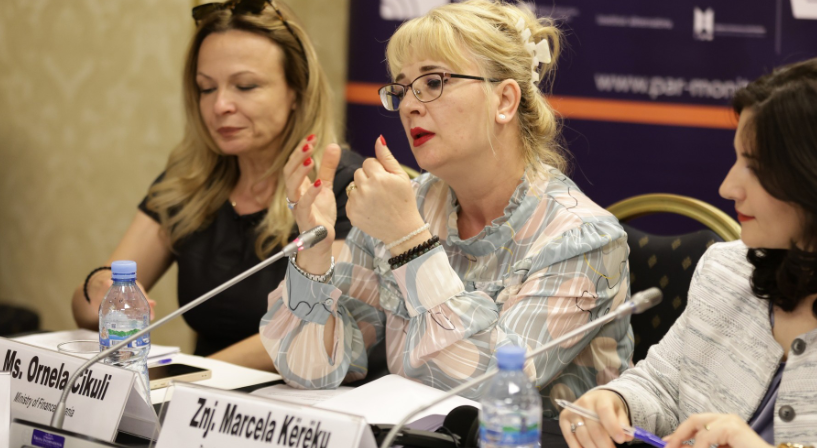
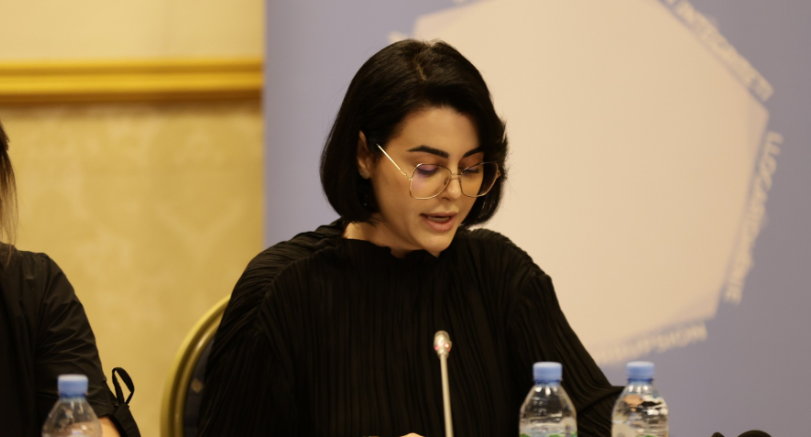
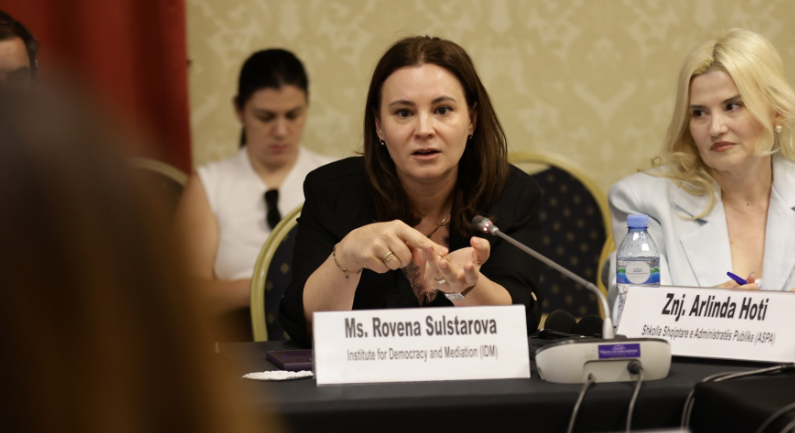
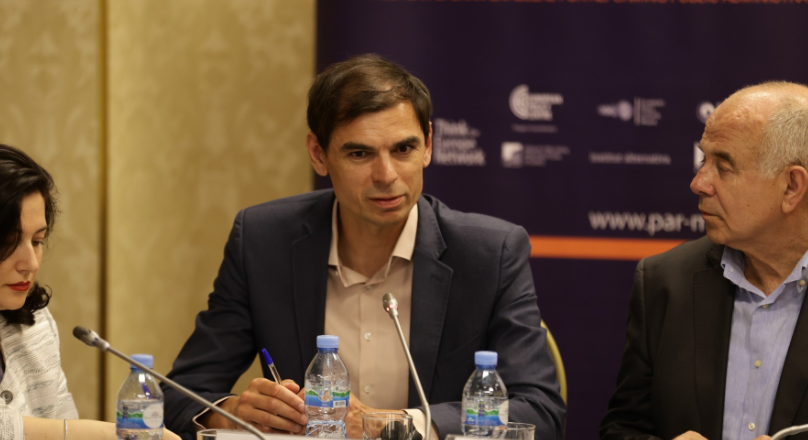
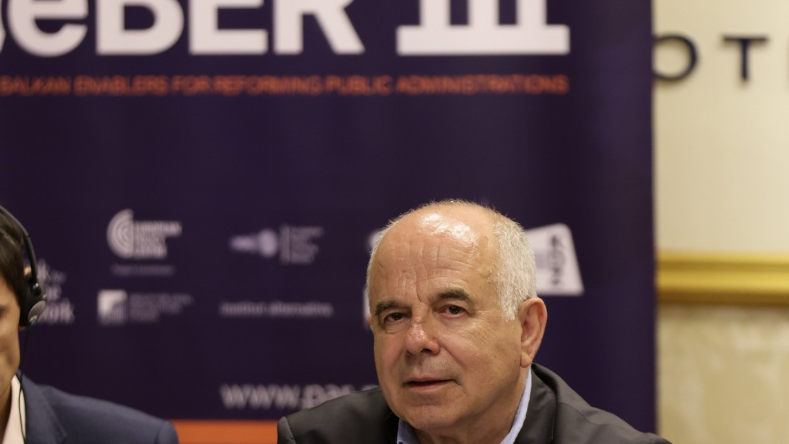
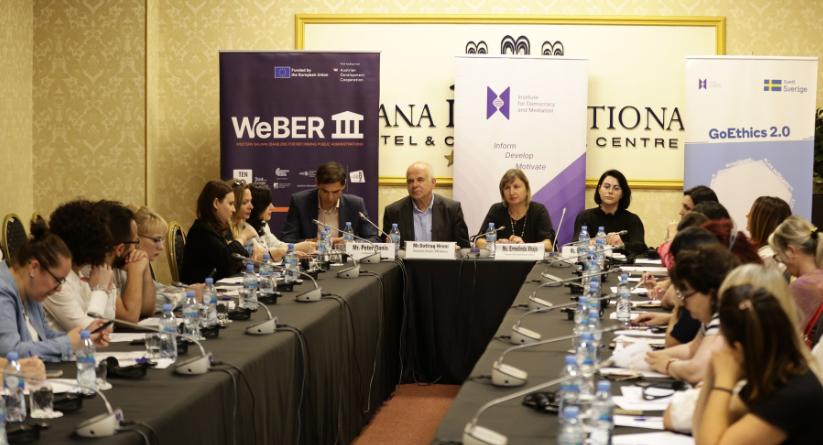
This was the question that brought us together on 16 June at the National Conference “Public Ethics and Participatory Governance”, where representatives of public institutions, the Minister of State for Public Administration and Anti-Corruption (MAPA), the Department of Public Administration (DAP), the Albanian School of Public Administration (ASPA), the network of Ethics Advisors, civil society organisations, academia, and international partners discussed the challenges and opportunities for strengthening institutional integrity and citizen-centred governance.
The discussions highlighted the importance of moving beyond formal rules towards their practical implementation by strengthening the role of Ethics Advisors, fostering a culture of integrity within public administration, and reinforcing mechanisms that promote accountability and public trust. In this context, experiences of cooperation between IDM, DAP, and ASPA were also shared, particularly regarding their efforts to support the network of Ethics Advisors and strengthen their capacities.
Special attention was also given to the experiences of local organisations in addressing challenges within their communities, as well as findings gathered from citizens in four municipalities across the country. These insights placed transparency, participation, and the quality of local governance at the centre of the discussion.
The event was organised within the framework of the WeBER 3.0 project, funded by the European Union and the Austrian Development Agency (ADA), with additional support and co-financing from the Embassy of Sweden in Albania through the project “GoEthics 2.0: Governance, Ethics & Integrity.”


The Institute for Democracy and Mediation (IDM) held National Conference “Public Ethics and Participatory Governance”
How can we build more trustworthy, transparent, and citizen-oriented institutions?
This was the question that brought us together on 16 June at the National Conference “Public Ethics and Participatory Governance”, where representatives of public institutions, the Minister of State for Public Administration and Anti-Corruption (MAPA), the Department of Public Administration (DAP), the Albanian School of Public Administration (ASPA), the network of Ethics Advisors, civil society organisations, academia, and international partners discussed the challenges and opportunities for strengthening institutional integrity and citizen-centred governance.
The discussions highlighted the importance of moving beyond formal rules towards their practical implementation by strengthening the role of Ethics Advisors, fostering a culture of integrity within public administration, and reinforcing mechanisms that promote accountability and public trust. In this context, experiences of cooperation between IDM, DAP, and ASPA were also shared, particularly regarding their efforts to support the network of Ethics Advisors and strengthen their capacities.
Special attention was also given to the experiences of local organisations in addressing challenges within their communities, as well as findings gathered from citizens in four municipalities across the country. These insights placed transparency, participation, and the quality of local governance at the centre of the discussion.
The event was organised within the framework of the WeBER 3.0 project, funded by the European Union and the Austrian Development Agency (ADA), with additional support and co-financing from the Embassy of Sweden in Albania through the project “GoEthics 2.0: Governance, Ethics & Integrity.”