
Institute for Democracy and Mediation (IDM) organized the 11th meeting of the National Working Group (NWG) for Public Administration Reform (RAP)
Overview
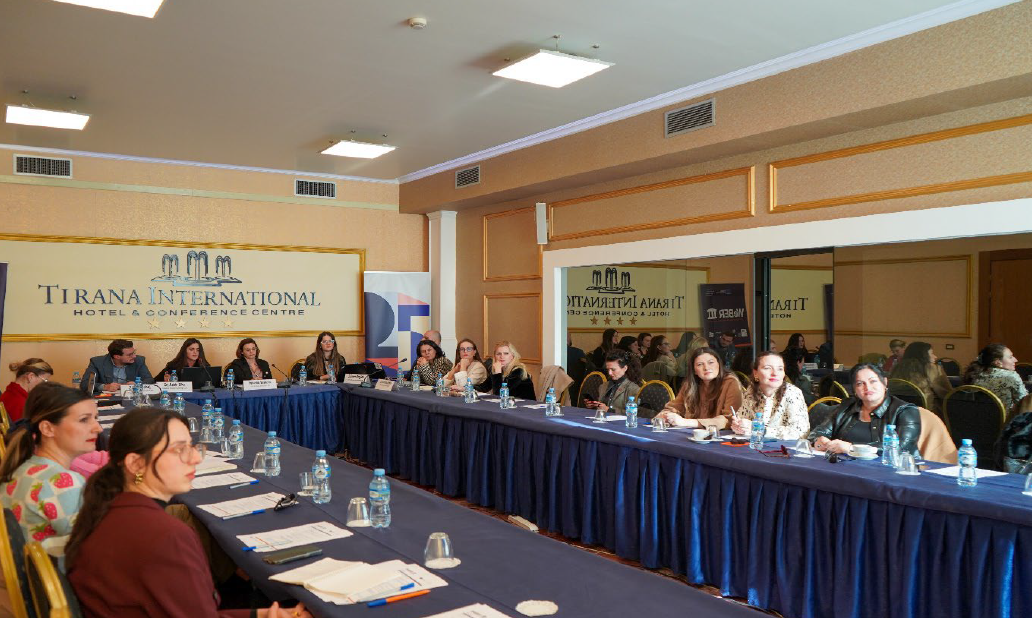
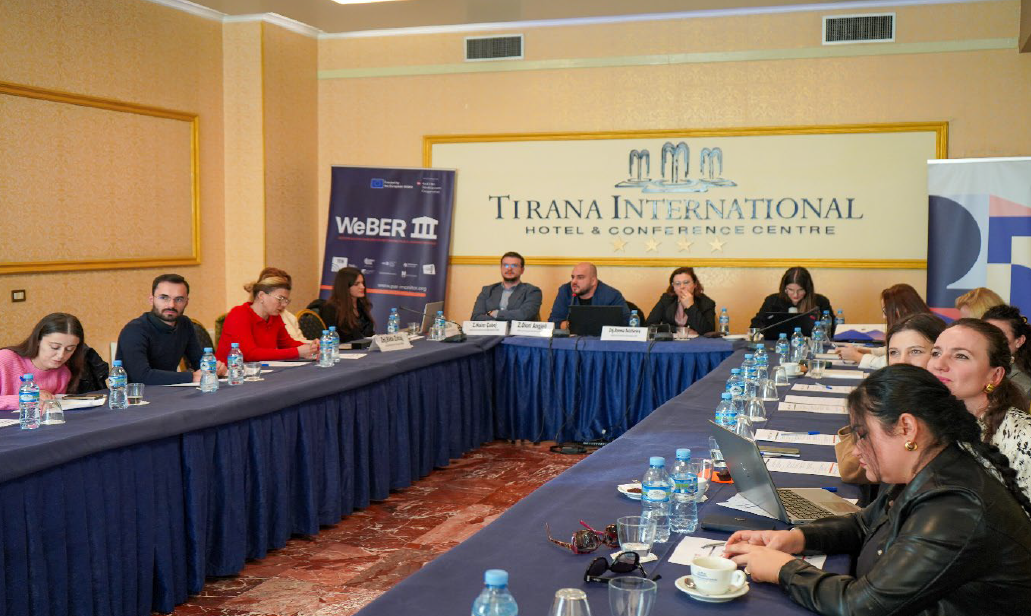
On December 19th, the Institute for Democracy and Mediation (IDM) organized the 11th meeting of the National Working Group (NWG) for Public Administration Reform (RAP).
The meeting was attended by 23 participants representatives from CSOs as well as the relevant monitored institutions such as the Ministry of Tourism and Environment, Ministry of Justice and the Health Care Services Operator.
The topic was sharing the findings of the monitoring round of implementation Public Administration Reform (PAR) within sectoral policies. It aimed to evaluate how principles of good governance are integrated across key sectors such as health, tourism, environment, and justice. The event emphasized the monitoring methodology, presentation of findings, and discussions on actionable recommendations to strengthen policy implementation and public administration practices.
The event also featured the presentation of a policy brief titled “From Recommendation to Action: Overcoming Barriers in Implementing SAI Recommendations”. This document, prepared by IDM as part of the WeBER 3.0 project, highlights challenges and provides solutions to improve the implementation of recommendations from the Supreme State Audit Institution (SAI). It serves as a key resource for addressing gaps and strengthening accountability in public administration processes.
The roundtable was held in Albanian language.
The program was envisaged as follows:
-
09:45 – 10:00: Registration
-
10:00 – 10:15: Welcome remarks
-
10:15 – 10:45: Monitoring the Integration of Public Administration Principles into Sectoral Policies – Methodology and Checklists
-
10:45 – 11:00: Coffee Break
-
11:00 – 13:00: Principles of Good Governance in Sectoral Policies: Presentation of Monitoring Findings and Discussion on Recommendations
-
13:00 – 14:00: Lunch
-
14:00 – 14:30: Presentation of Policy Brief Findings: “From Recommendation to Action: Overcoming Barriers in Implementing SAI Recommendations”
Summary
IDM’s Governance Program Project Manager, Ms. Rovena Sulstarova extended a welcome to the meeting participants, providing an overview of the project and the agenda.
Then, the floor was given to WeBER 3.0’s researcher, Mr. Naim Çabej, who presented the methodology and checklists for the monitoring process of PAR in sectorial policies.
After welcoming and addressing questions on the methodology, there was a coffee break for refreshment.
During the second session, CSOs engaged in PAR monitoring into sectoral policies presented their findings to the audience. After each presentation, the floor was giving to representatives of the relevant institution that was monitored so that they could provide their insight regarding the presented findings which would serve as sparks for further discussions from the CSO representatives as well, resulting in very constructive and thoughtful discussions.
The topics that emerged from the discussions during the second session, are as follows:
-
Publication of data: The Ministry of Tourism and Environment (MTE) reported that all notifications and data are published on the Public Procurement Agency (PPA) platform but emphasized the need for dedicated personnel to prepare accurate reports and summaries for the Ministry, on its website.
-
Collaboration with CSOs: CSOs appreciated the good collaboration with MTE but noted that some technical documents are not publicly accessible. They also suggested improving transparency in public finance management and procurement processes.
-
Communication challenges: It was noted that some ministries, such as the Ministry of Justice and the Ministry of Health, are unresponsive to information requests. Phone numbers are often non-functional, and email responses are delayed or incomplete. The creation of a standardized manual for information return procedures and a long-term mechanism to ensure these practices continue beyond project timelines was proposed.
-
Legal changes: The new law on the right to information has distributed responsibilities across sectors, increasing the need for comprehensive training for all institutional staff.
-
Bureaucracy as an obstacle: It was emphasized that complex administrative processes and a lack of sufficient resources hinder timely responses and the maintenance of transparency.
The fruitful discussions led to a lunch break for the participants to continue further elaboration, in a more informal setting.
After the well-deserved lunch break, the last session where IDM’s Assistant Researcher, Mr. Dior Angjeli, presented the findings from the Policy Brief compiled under WeBER 3.0, titled “From Recommendation to Action: Overcoming Barriers in Implementing the Albanian Supreme Audit Institution (ALSAI) Recommendations”, was held. The findings of the policy brief brought a series of other interesting and thoughtful discussions which can be summarized as follows:
-
The ALSAI was congratulated for reporting issues, including those raised by SPAK. However, ALSAI’s approach was criticized as insular, lacking close collaboration with CSOs.
-
Implementation of recommendations: It was discussed that some ALSAI recommendations are unclear or difficult to implement, discouraging institutional staff and hindering process improvements. Also, it was mentioned that ALSAI even though it asks the monitored institution for comments/reviews, they are not taken in consideration when the final report is published.
-
Institutional culture: The importance of leadership training was emphasized to ensure recommendations are processed and implemented at various institutional levels, not just bureaucratic ones. Leadership often fails to read or disseminate critical information.
In overall, the general conclusions of the meeting were as follows:
-
Institutions need to strengthen their commitment to transparency and standardize the publication of open data.
-
It was proposed that all institutions be trained in information management and transparency practices, and mechanisms be established to ensure the continuity of good practices beyond specific projects.
-
CSOs have played a significant role in improving institutional processes, but there is a need for a more collaborative approach and more effective addressing of recommendations.
Institute for Democracy and Mediation (IDM) organized the 11th meeting of the National Working Group (NWG) for Public Administration Reform (RAP)
Overview
On December 19th, the Institute for Democracy and Mediation (IDM) organized the 11th meeting of the National Working Group (NWG) for Public Administration Reform (RAP).
The meeting was attended by 23 participants representatives from CSOs as well as the relevant monitored institutions such as the Ministry of Tourism and Environment, Ministry of Justice and the Health Care Services Operator.
The topic was sharing the findings of the monitoring round of implementation Public Administration Reform (PAR) within sectoral policies. It aimed to evaluate how principles of good governance are integrated across key sectors such as health, tourism, environment, and justice. The event emphasized the monitoring methodology, presentation of findings, and discussions on actionable recommendations to strengthen policy implementation and public administration practices.
The event also featured the presentation of a policy brief titled “From Recommendation to Action: Overcoming Barriers in Implementing SAI Recommendations”. This document, prepared by IDM as part of the WeBER 3.0 project, highlights challenges and provides solutions to improve the implementation of recommendations from the Supreme State Audit Institution (SAI). It serves as a key resource for addressing gaps and strengthening accountability in public administration processes.
The roundtable was held in Albanian language.
The program was envisaged as follows:
-
09:45 – 10:00: Registration
-
10:00 – 10:15: Welcome remarks
-
10:15 – 10:45: Monitoring the Integration of Public Administration Principles into Sectoral Policies – Methodology and Checklists
-
10:45 – 11:00: Coffee Break
-
11:00 – 13:00: Principles of Good Governance in Sectoral Policies: Presentation of Monitoring Findings and Discussion on Recommendations
-
13:00 – 14:00: Lunch
-
14:00 – 14:30: Presentation of Policy Brief Findings: “From Recommendation to Action: Overcoming Barriers in Implementing SAI Recommendations”
Summary
IDM’s Governance Program Project Manager, Ms. Rovena Sulstarova extended a welcome to the meeting participants, providing an overview of the project and the agenda.
Then, the floor was given to WeBER 3.0’s researcher, Mr. Naim Çabej, who presented the methodology and checklists for the monitoring process of PAR in sectorial policies.
After welcoming and addressing questions on the methodology, there was a coffee break for refreshment.
During the second session, CSOs engaged in PAR monitoring into sectoral policies presented their findings to the audience. After each presentation, the floor was giving to representatives of the relevant institution that was monitored so that they could provide their insight regarding the presented findings which would serve as sparks for further discussions from the CSO representatives as well, resulting in very constructive and thoughtful discussions.
The topics that emerged from the discussions during the second session, are as follows:
-
Publication of data: The Ministry of Tourism and Environment (MTE) reported that all notifications and data are published on the Public Procurement Agency (PPA) platform but emphasized the need for dedicated personnel to prepare accurate reports and summaries for the Ministry, on its website.
-
Collaboration with CSOs: CSOs appreciated the good collaboration with MTE but noted that some technical documents are not publicly accessible. They also suggested improving transparency in public finance management and procurement processes.
-
Communication challenges: It was noted that some ministries, such as the Ministry of Justice and the Ministry of Health, are unresponsive to information requests. Phone numbers are often non-functional, and email responses are delayed or incomplete. The creation of a standardized manual for information return procedures and a long-term mechanism to ensure these practices continue beyond project timelines was proposed.
-
Legal changes: The new law on the right to information has distributed responsibilities across sectors, increasing the need for comprehensive training for all institutional staff.
-
Bureaucracy as an obstacle: It was emphasized that complex administrative processes and a lack of sufficient resources hinder timely responses and the maintenance of transparency.
The fruitful discussions led to a lunch break for the participants to continue further elaboration, in a more informal setting.
After the well-deserved lunch break, the last session where IDM’s Assistant Researcher, Mr. Dior Angjeli, presented the findings from the Policy Brief compiled under WeBER 3.0, titled “From Recommendation to Action: Overcoming Barriers in Implementing the Albanian Supreme Audit Institution (ALSAI) Recommendations”, was held. The findings of the policy brief brought a series of other interesting and thoughtful discussions which can be summarized as follows:
-
The ALSAI was congratulated for reporting issues, including those raised by SPAK. However, ALSAI’s approach was criticized as insular, lacking close collaboration with CSOs.
-
Implementation of recommendations: It was discussed that some ALSAI recommendations are unclear or difficult to implement, discouraging institutional staff and hindering process improvements. Also, it was mentioned that ALSAI even though it asks the monitored institution for comments/reviews, they are not taken in consideration when the final report is published.
-
Institutional culture: The importance of leadership training was emphasized to ensure recommendations are processed and implemented at various institutional levels, not just bureaucratic ones. Leadership often fails to read or disseminate critical information.
In overall, the general conclusions of the meeting were as follows:
-
Institutions need to strengthen their commitment to transparency and standardize the publication of open data.
-
It was proposed that all institutions be trained in information management and transparency practices, and mechanisms be established to ensure the continuity of good practices beyond specific projects.
-
CSOs have played a significant role in improving institutional processes, but there is a need for a more collaborative approach and more effective addressing of recommendations.