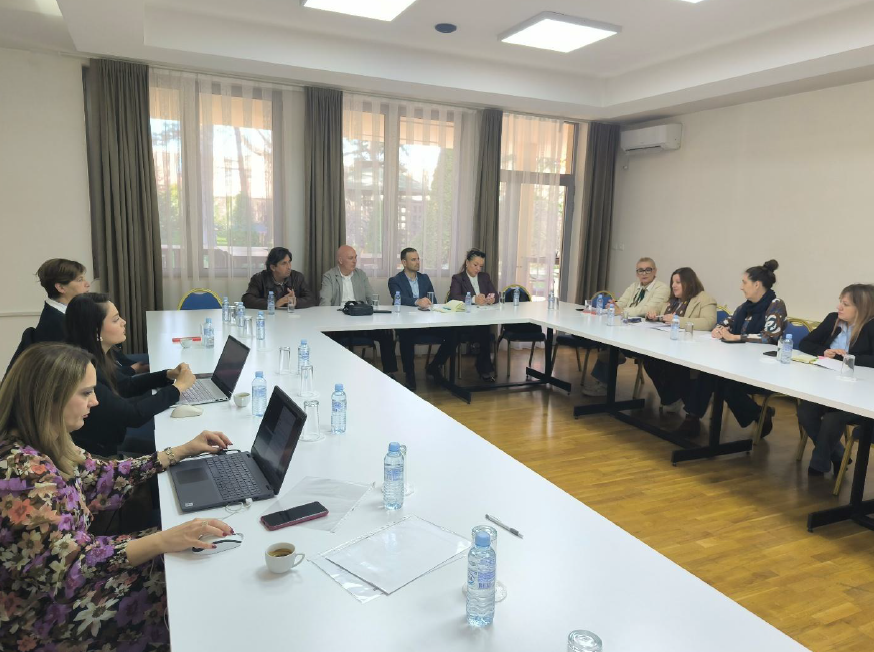
European Policy Institute (EPI) held the 15th meeting of the National Working Group (NWG) for Monitoring Public Administration Reform (PAR) in North Macedonia
The aim of the meeting was to present and discuss the findings of the last four PAR Monitor Reports 2024/2025.
The meeting was opened and moderated by Ms. Julijana Karai, Senior Researcher at EPI.
During the meeting, the following topics were discussed:
-
Key areas of the PAR Strategy, including service delivery and digitalisation, public service and human resource management, and public financial management.
-
The current status of public administration reform in the Republic of North Macedonia.
-
Key challenges and recommendations for advancing the reform process.
The discussion focused on assessing progress in the implementation of public administration reforms and identifying priorities for further improvement in the respective areas.
Key Findings / Recommendations
North Macedonia has established a regulatory framework that promotes transparency and inclusiveness in the preparation of planning documents and legislation for PAR; however, in practice, further improvements are needed. In particular, it is necessary to increase transparency in the work of the working groups, including the establishment of a clear and open procedure for selecting their members, as well as the publication of their composition and the results of their work.
Although consultations with non-state actors exist, the process needs to become clearer, more comprehensive, and more accountable, with greater proactiveness and broader involvement of stakeholders through the use of all available communication channels. Feedback remains the weakest link; comments from civil society organizations should be publicly visible, with clearly identified authors and detailed explanations of how they were considered and whether they were accepted or rejected.
With regard to the structures for monitoring and coordinating PAR and public financial management, it is recommended to increase transparency, improve the procedures for the selection and participation of civil society organizations, hold meetings more frequently, and ensure better coordination of the planning and monitoring processes of reforms, particularly in horizontal areas.
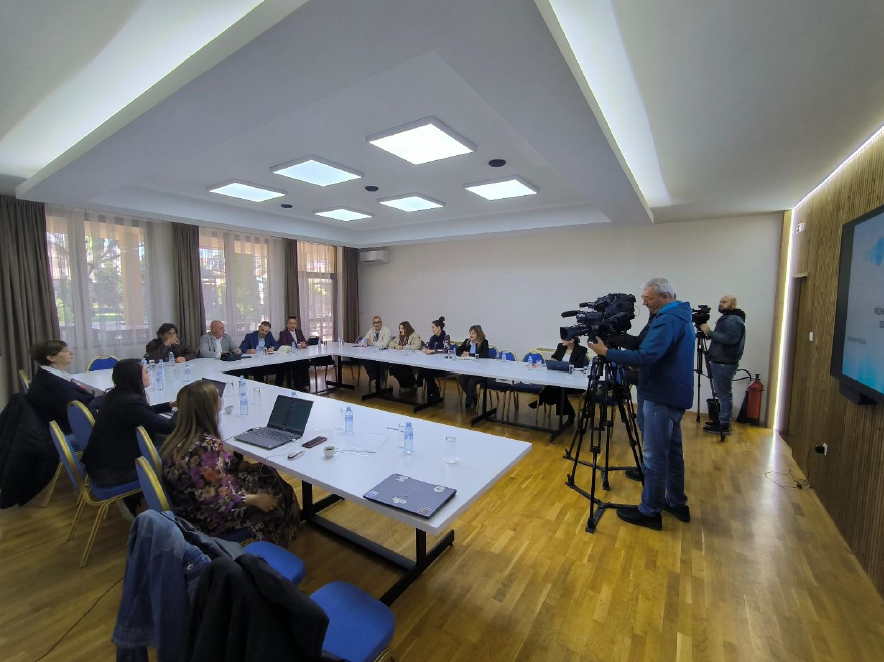
European Policy Institute (EPI) held the 15th meeting of the National Working Group (NWG) for Monitoring Public Administration Reform (PAR) in North Macedonia
The aim of the meeting was to present and discuss the findings of the last four PAR Monitor Reports 2024/2025.
The meeting was opened and moderated by Ms. Julijana Karai, Senior Researcher at EPI.
During the meeting, the following topics were discussed:
-
Key areas of the PAR Strategy, including service delivery and digitalisation, public service and human resource management, and public financial management.
-
The current status of public administration reform in the Republic of North Macedonia.
-
Key challenges and recommendations for advancing the reform process.
The discussion focused on assessing progress in the implementation of public administration reforms and identifying priorities for further improvement in the respective areas.
Key Findings / Recommendations
North Macedonia has established a regulatory framework that promotes transparency and inclusiveness in the preparation of planning documents and legislation for PAR; however, in practice, further improvements are needed. In particular, it is necessary to increase transparency in the work of the working groups, including the establishment of a clear and open procedure for selecting their members, as well as the publication of their composition and the results of their work.
Although consultations with non-state actors exist, the process needs to become clearer, more comprehensive, and more accountable, with greater proactiveness and broader involvement of stakeholders through the use of all available communication channels. Feedback remains the weakest link; comments from civil society organizations should be publicly visible, with clearly identified authors and detailed explanations of how they were considered and whether they were accepted or rejected.
With regard to the structures for monitoring and coordinating PAR and public financial management, it is recommended to increase transparency, improve the procedures for the selection and participation of civil society organizations, hold meetings more frequently, and ensure better coordination of the planning and monitoring processes of reforms, particularly in horizontal areas.