The 11th meeting of the National Working Group (NWG) for Monitoring Public Administration Reform (PAR) was held in North Macedonia
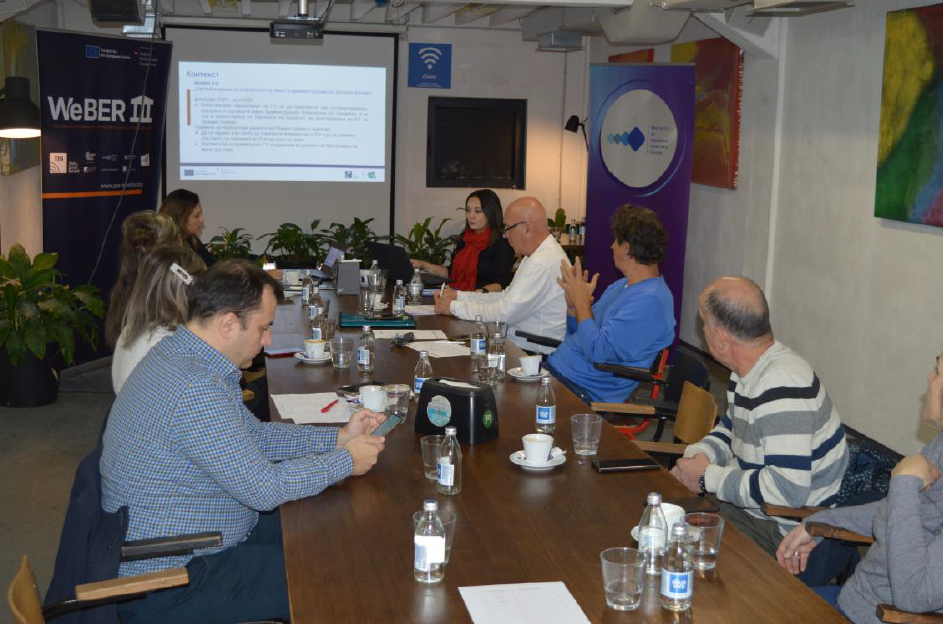
The 11th meeting of the National Working Group (NWG) for Monitoring Public Administration Reform (PAR) in North Macedonia was held on the 23rd of November 2023 in Public Room. The event was organised as the first NWG for PAR meeting within the Western Balkan Enablers for Reforming Public Administrations – WeBER 3.0 project. It was attended by 11 participants, from the civil society organisations.
The aim of the meeting was to present and discuss Draft Guidelines for citizen-centred local governance and PAR problem solving, a document that is part of the package grant recipients will implement within WeBER 3.0’s Small Grant Facility, as well as to discuss and prioritize the most pressing PAR issues at country level that will be analysed in the first round of policy briefs to be produced in 2024 within project activity A1.3.1.
The meeting was opened by Ms Julijana Karai, the Senior Researcher in EPI. She gave a brief introduction to the WeBER initiative, and afterwards, Ms Vaska Ristovska gave a brief overview of the Small Grant Facility Call. The WeBER 3.0’s SGF will support 20 projects in 6 Western Balkans countries, out of which 3 in North Macedonia. Each grant is worth up to 14,000 EUR, and the deadline for applying is the 28th of December.
Ms Karai presented the draft guidelines, namely their aim, target audience, scope, the key concepts and the steps for implementation of the guidelines.
After the presentation of the draft guidelines and the necessary steps, an open discussion commenced, and the participants offered several suggestions/comments:
-
Mr. Shuip Marku from CSCD Debar, underlined that the Double diamond model was used previously in their organization before the implementation of the project, in the phase of preparation of the project;
-
Mr. Zoran Bikovski from the Organization WOMAN suggested the cost-benefit analysis to be included as an additional step in the draft guidelines (for instance, costs and benefits for providing a certain service). He also suggested policy recommendations to be included in the draft guidelines.
-
Ms. Liljana Jonoski from Rural Coalition suggested including an additional step for monitoring the implementation of the project upon its finalisation (how the implemented projects will be monitored after its finalisation, who will monitor the implementation of the activities upon finalisation of the project, etc.) as a component for self-sustainability of the implemented project.
-
Ms. Liljana Pecova- Ilieska from IMPETUS suggested that it should be included how EU principles/EU tools are replicated on local level
For the second point of agenda the critical PAR issues discussion, based on the PAR Monitor 21/22 results, Ms. Karai presented the list of 6 topics with brief explanation on their significance and urgency and NWG were informed that they will have to select/prioritize the ones that should be further analysed in the policy briefs to be produced in 2024. The prioritization will be conducted via Google forms. It was agreed the topics to be linked to the specific local/municipal needs/issues.
At the end of the meeting Ms. Karai underlined that this document would undergo slight modifications to align with the comments/suggestions raised during the discussion in all six WeBER 3.0 countries. The revised version will be distributed to all attendees, as it can help not only the grantees who are required to apply it during the implementation of their projects but also other local CSOs who are looking to utilise a citizen-centred approach to address critical local issues.
The 11th meeting of the National Working Group (NWG) for Monitoring Public Administration Reform (PAR) was held in North Macedonia
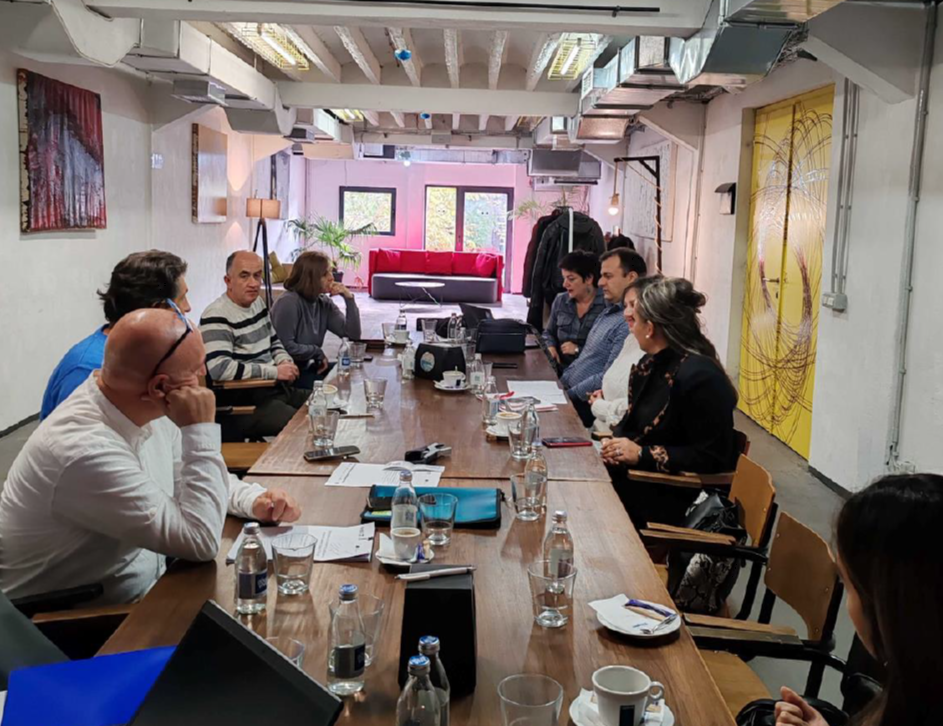
The 11th meeting of the National Working Group (NWG) for Monitoring Public Administration Reform (PAR) in North Macedonia was held on the 23rd of November 2023 in Public Room. The event was organised as the first NWG for PAR meeting within the Western Balkan Enablers for Reforming Public Administrations – WeBER 3.0 project. It was attended by 11 participants, from the civil society organisations.
The aim of the meeting was to present and discuss Draft Guidelines for citizen-centred local governance and PAR problem solving, a document that is part of the package grant recipients will implement within WeBER 3.0’s Small Grant Facility, as well as to discuss and prioritize the most pressing PAR issues at country level that will be analysed in the first round of policy briefs to be produced in 2024 within project activity A1.3.1.
The meeting was opened by Ms Julijana Karai, the Senior Researcher in EPI. She gave a brief introduction to the WeBER initiative, and afterwards, Ms Vaska Ristovska gave a brief overview of the Small Grant Facility Call. The WeBER 3.0’s SGF will support 20 projects in 6 Western Balkans countries, out of which 3 in North Macedonia. Each grant is worth up to 14,000 EUR, and the deadline for applying is the 28th of December.
Ms Karai presented the draft guidelines, namely their aim, target audience, scope, the key concepts and the steps for implementation of the guidelines.
After the presentation of the draft guidelines and the necessary steps, an open discussion commenced, and the participants offered several suggestions/comments:
-
Mr. Shuip Marku from CSCD Debar, underlined that the Double diamond model was used previously in their organization before the implementation of the project, in the phase of preparation of the project;
-
Mr. Zoran Bikovski from the Organization WOMAN suggested the cost-benefit analysis to be included as an additional step in the draft guidelines (for instance, costs and benefits for providing a certain service). He also suggested policy recommendations to be included in the draft guidelines.
-
Ms. Liljana Jonoski from Rural Coalition suggested including an additional step for monitoring the implementation of the project upon its finalisation (how the implemented projects will be monitored after its finalisation, who will monitor the implementation of the activities upon finalisation of the project, etc.) as a component for self-sustainability of the implemented project.
-
Ms. Liljana Pecova- Ilieska from IMPETUS suggested that it should be included how EU principles/EU tools are replicated on local level
For the second point of agenda the critical PAR issues discussion, based on the PAR Monitor 21/22 results, Ms. Karai presented the list of 6 topics with brief explanation on their significance and urgency and NWG were informed that they will have to select/prioritize the ones that should be further analysed in the policy briefs to be produced in 2024. The prioritization will be conducted via Google forms. It was agreed the topics to be linked to the specific local/municipal needs/issues.
At the end of the meeting Ms. Karai underlined that this document would undergo slight modifications to align with the comments/suggestions raised during the discussion in all six WeBER 3.0 countries. The revised version will be distributed to all attendees, as it can help not only the grantees who are required to apply it during the implementation of their projects but also other local CSOs who are looking to utilise a citizen-centred approach to address critical local issues.