
16th meeting of the National Working Group for Monitoring Public Administration Reform in Serbia
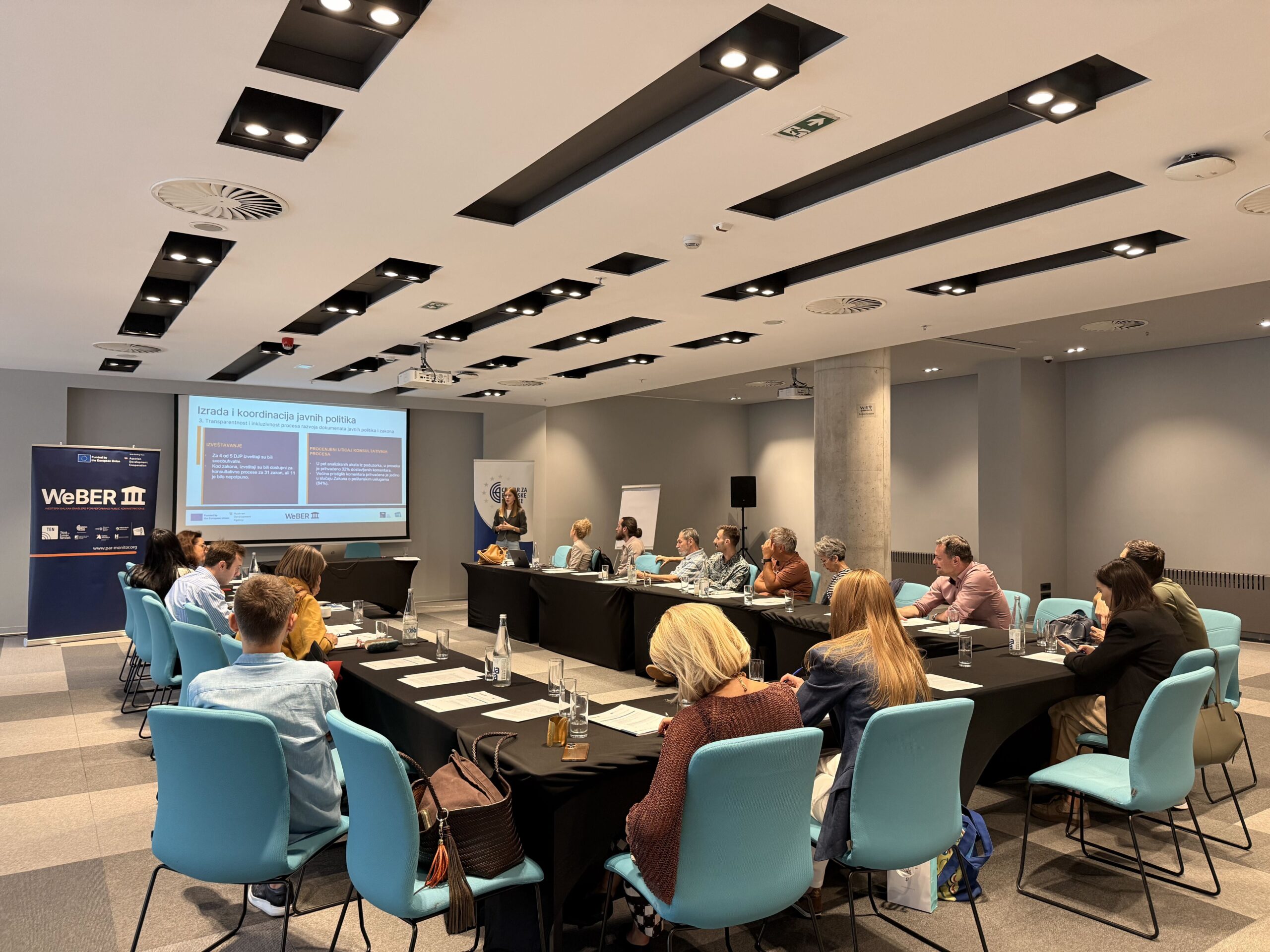
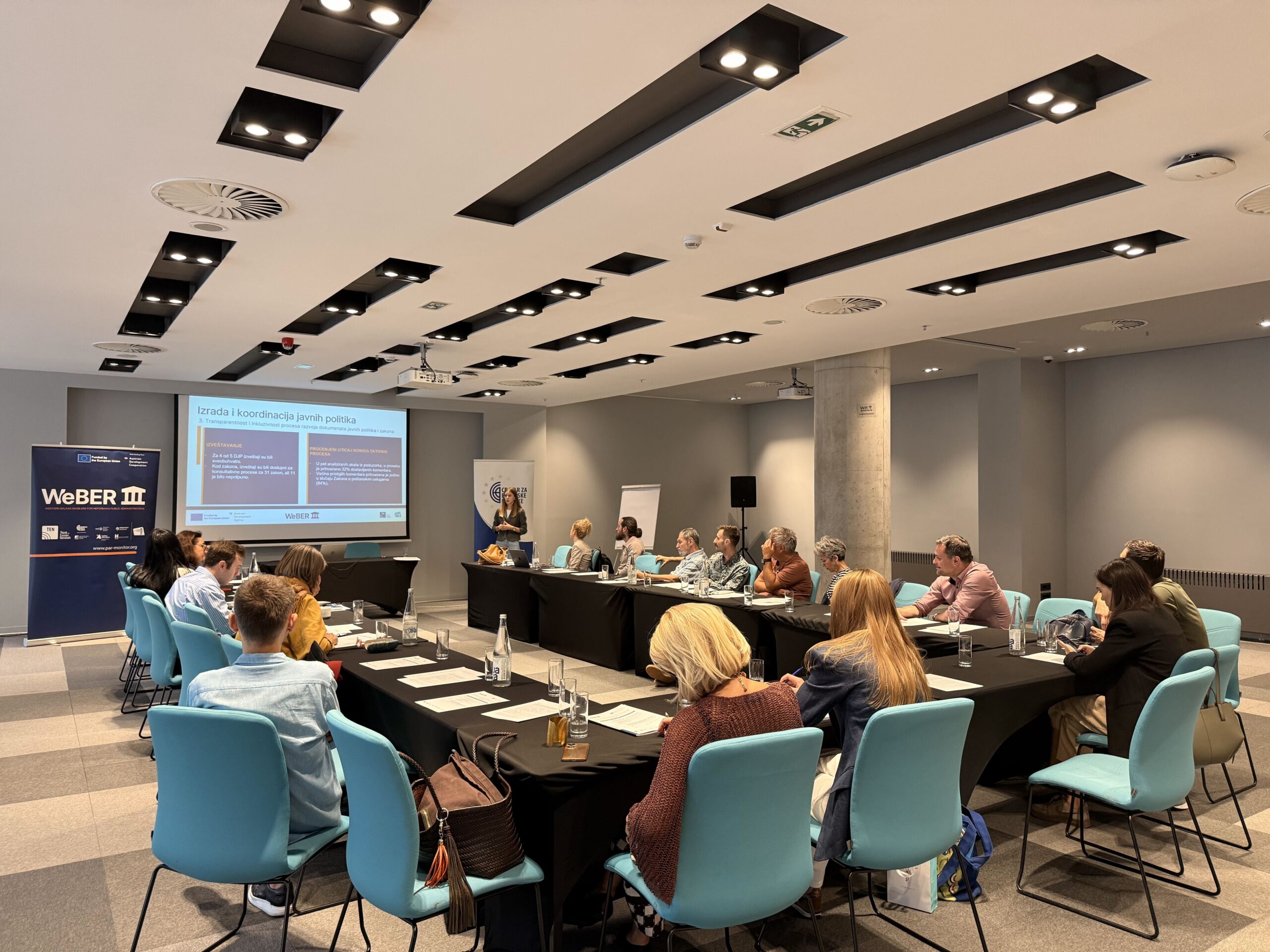
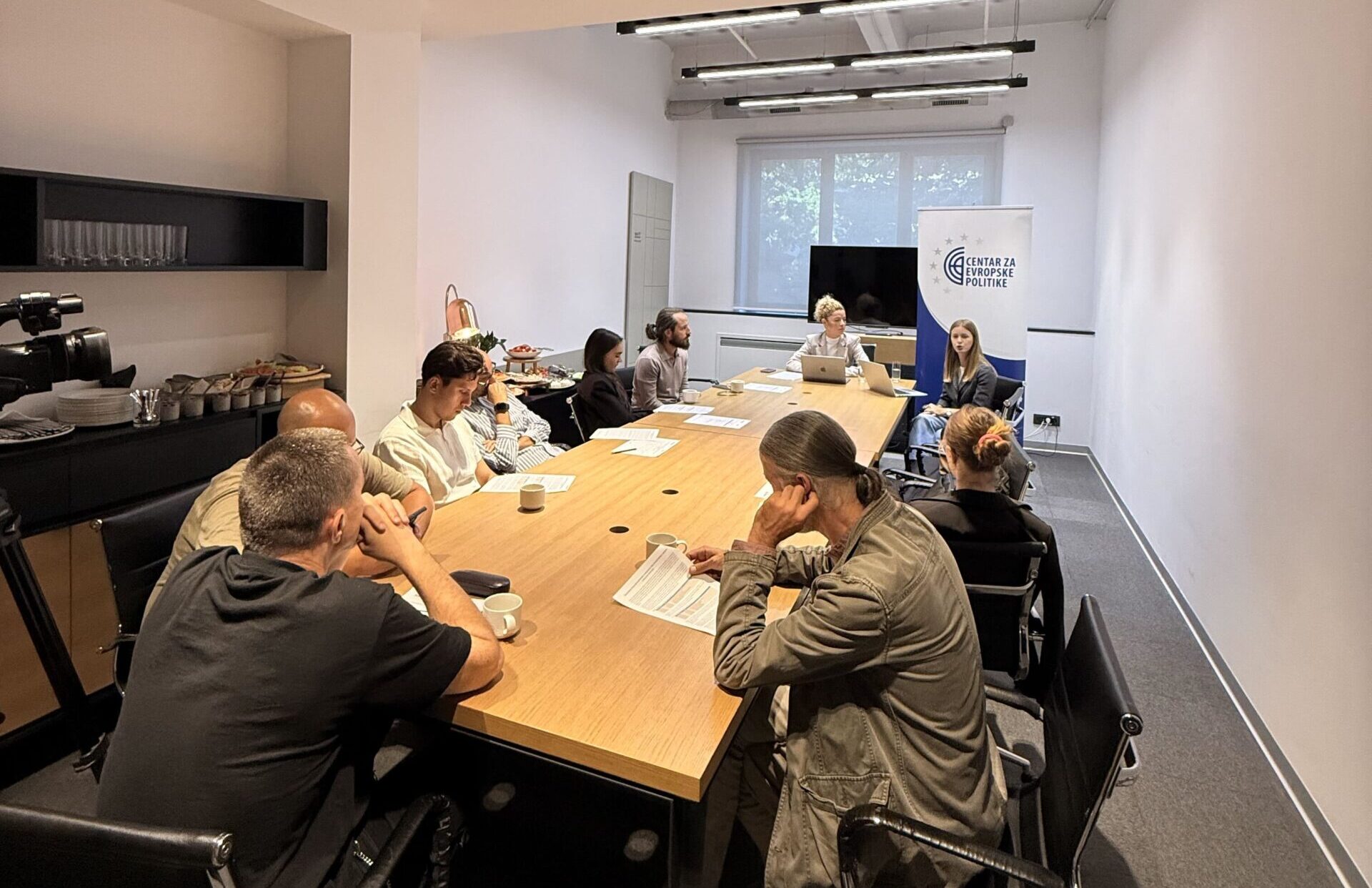
The 16th meeting of the National Working Group for Monitoring Public Administration Reform in Serbia was held today in Belgrade, organized by the European Policy Centre (CEP) as part of the WeBER 3.0 project – Western Balkans Civil Society Empowerment for a Reformed Public Administration. The project is funded by the European Union and the Austrian Development Agency.
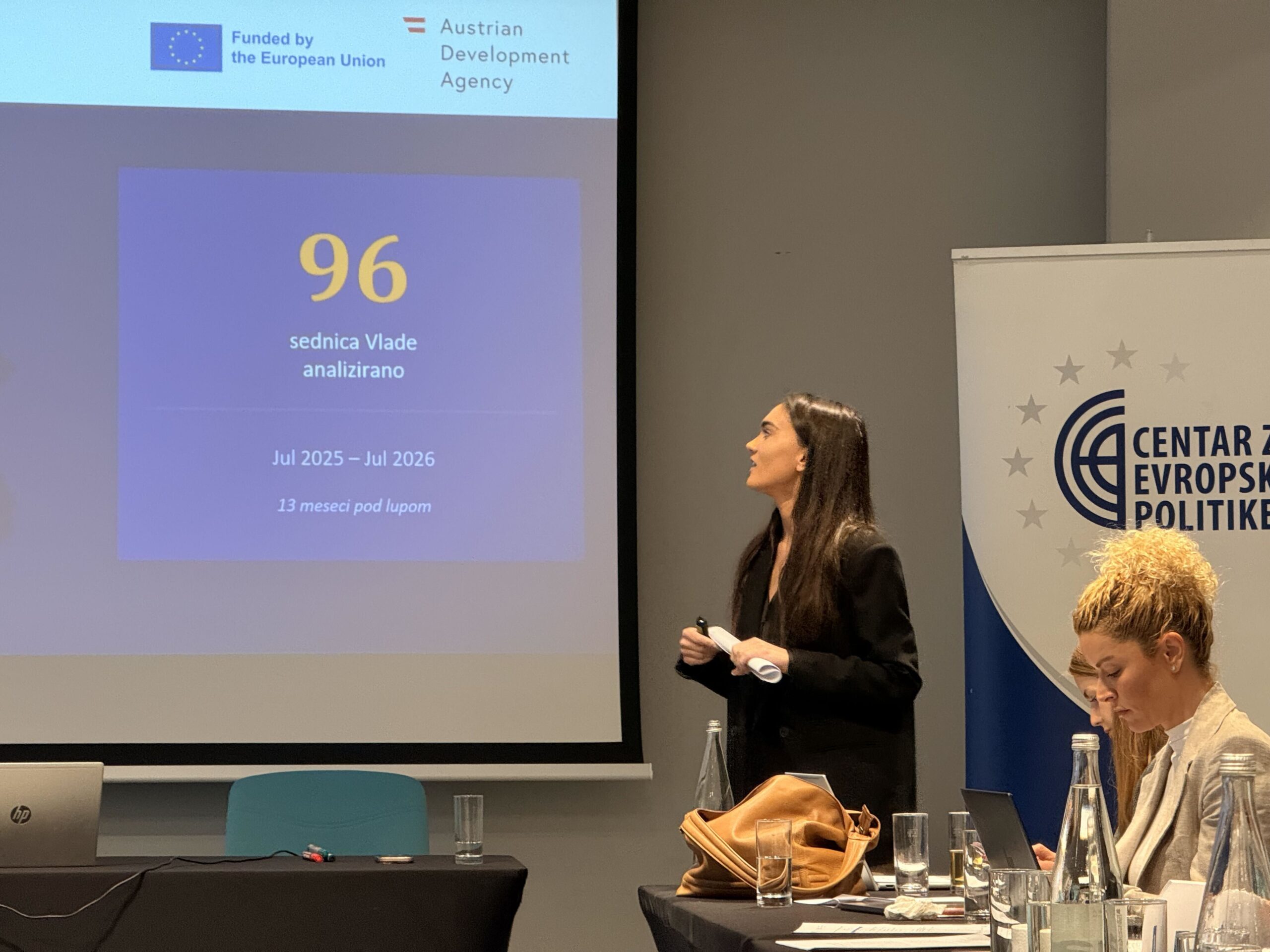
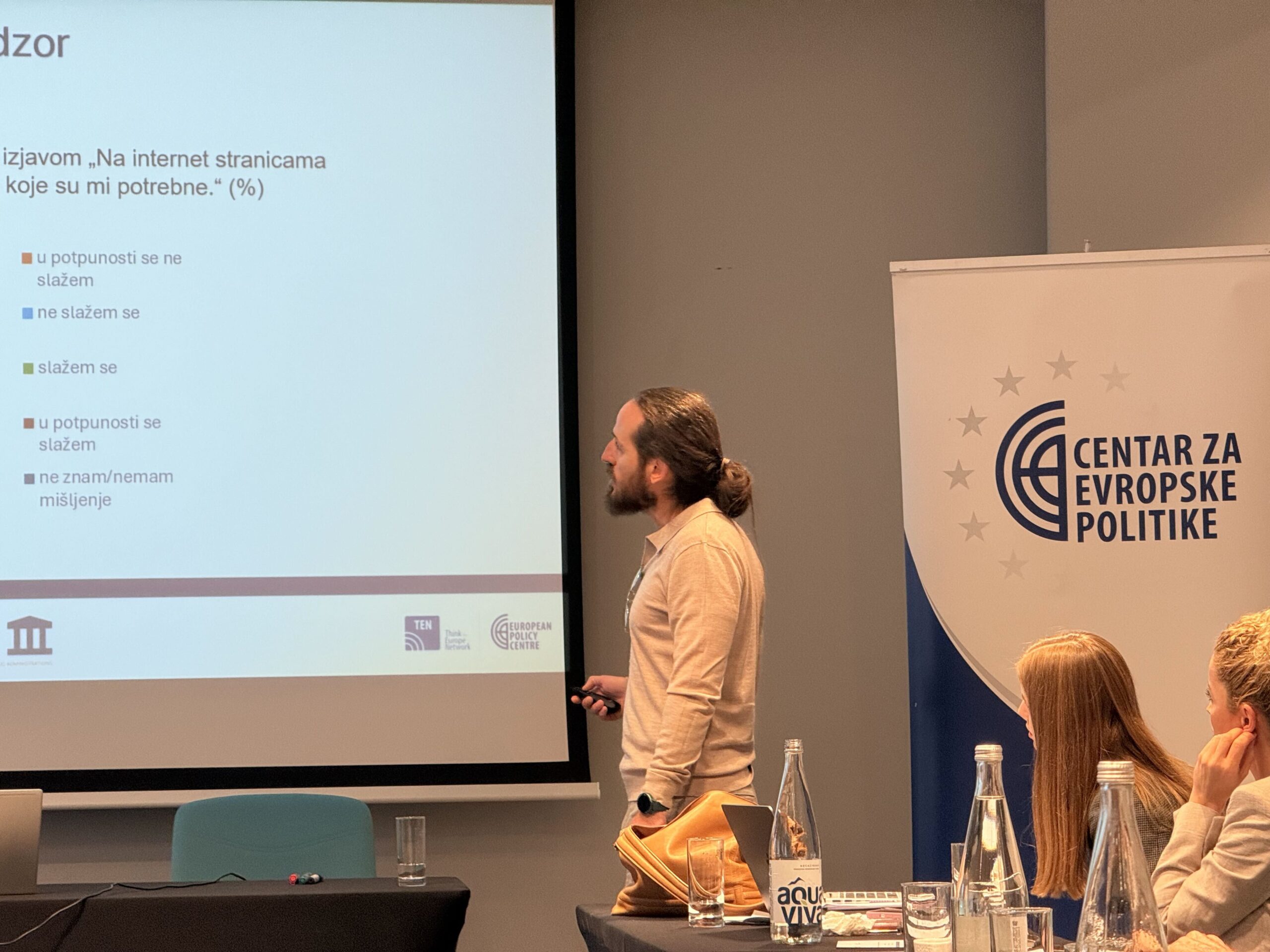
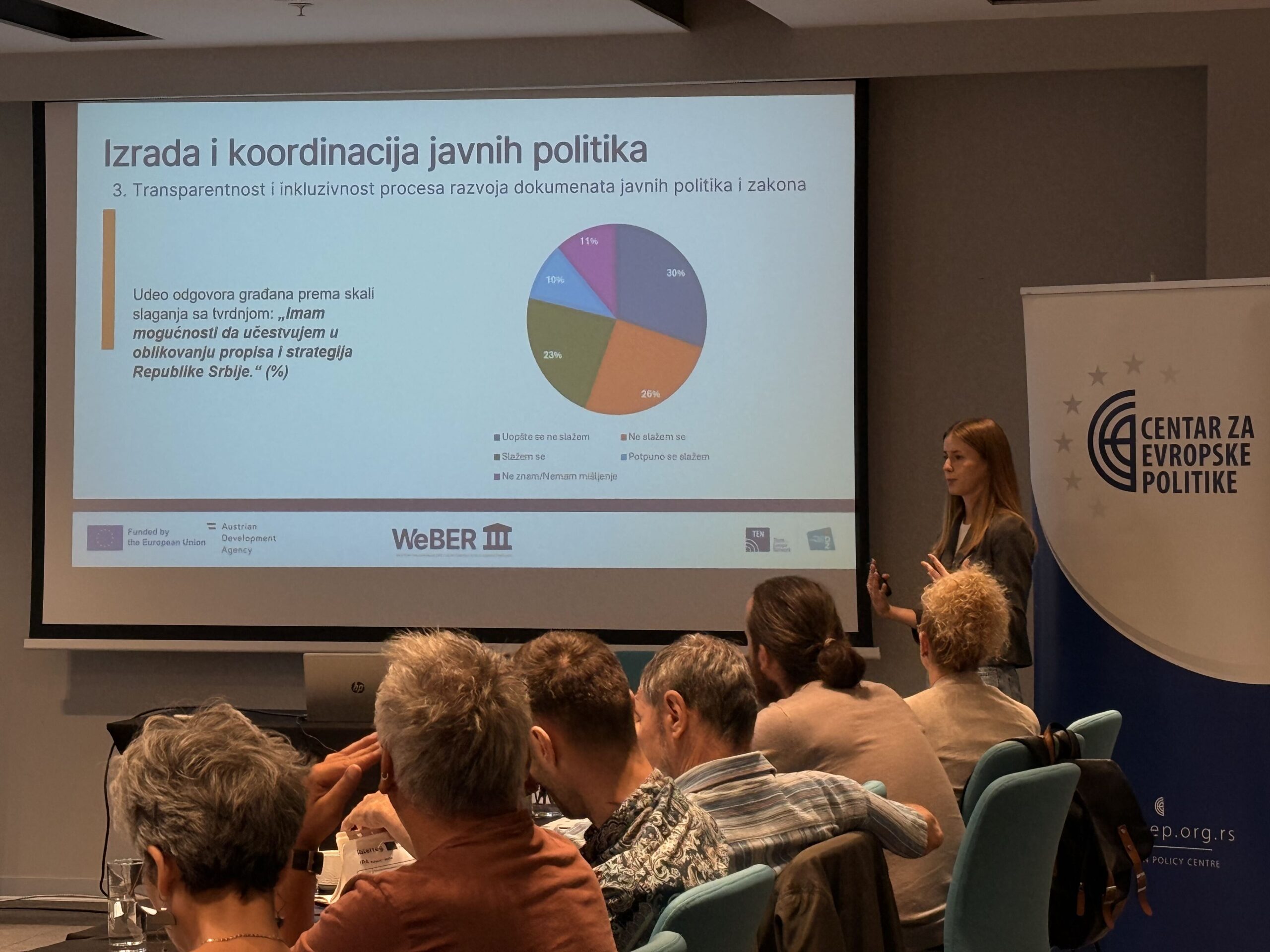
The meeting was opened by Milena Mihajlović Denić, Team Leader of the WeBER initiative and Programme Director at CEP, followed by the presentation of the findings and recommendations of the National PAR Monitor Serbia 2024/2025 in the areas of policy development and coordination, as well as organization, accountability, and oversight. The findings were presented by Miloš Đinđić, Lead Researcher and Programme Manager at CEP, together with researchers Milica Škorić and Milica Divljak.
The second part of the meeting featured two policy briefs based on CEP’s research:
- Dismissal of senior civil servants without explanation and replacement by acting officials – the analysis found that, over the past year, the Government of Serbia dismissed a senior civil servant from a managerial position before the end of their term without stating a legal basis on at least five occasions, while as many as 62% of senior civil service positions in Serbia are currently filled by acting officials rather than through regular competition.
- After a surname change: from scattered procedures to a single life-event service – the research shows that changing a surname today requires up to twelve separate administrative procedures and more than 14,000 dinars, a burden borne almost exclusively by women. Through the WeBER Policy Lab, CEP worked together with the relevant institutions to develop a prototype unified service that would reduce this process to a single request, a single payment, and a single visit.
The meeting concluded with a discussion on further research priorities in the field of public administration reform.
WeBER 3.0 is a regional civil society initiative that monitors and supports public administration reform in the Western Balkans, with support from the European Union and the Austrian Development Agency. The National Working Group in Serbia is coordinated by the European Policy Centre (CEP).
16th meeting of the National Working Group for Monitoring Public Administration Reform in Serbia
The 16th meeting of the National Working Group for Monitoring Public Administration Reform in Serbia was held today in Belgrade, organized by the European Policy Centre (CEP) as part of the WeBER 3.0 project – Western Balkans Civil Society Empowerment for a Reformed Public Administration. The project is funded by the European Union and the Austrian Development Agency.
The meeting was opened by Milena Mihajlović Denić, Team Leader of the WeBER initiative and Programme Director at CEP, followed by the presentation of the findings and recommendations of the National PAR Monitor Serbia 2024/2025 in the areas of policy development and coordination, as well as organization, accountability, and oversight. The findings were presented by Miloš Đinđić, Lead Researcher and Programme Manager at CEP, together with researchers Milica Škorić and Milica Divljak.
The second part of the meeting featured two policy briefs based on CEP’s research:
- Dismissal of senior civil servants without explanation and replacement by acting officials – the analysis found that, over the past year, the Government of Serbia dismissed a senior civil servant from a managerial position before the end of their term without stating a legal basis on at least five occasions, while as many as 62% of senior civil service positions in Serbia are currently filled by acting officials rather than through regular competition.
- After a surname change: from scattered procedures to a single life-event service – the research shows that changing a surname today requires up to twelve separate administrative procedures and more than 14,000 dinars, a burden borne almost exclusively by women. Through the WeBER Policy Lab, CEP worked together with the relevant institutions to develop a prototype unified service that would reduce this process to a single request, a single payment, and a single visit.
The meeting concluded with a discussion on further research priorities in the field of public administration reform.
WeBER 3.0 is a regional civil society initiative that monitors and supports public administration reform in the Western Balkans, with support from the European Union and the Austrian Development Agency. The National Working Group in Serbia is coordinated by the European Policy Centre (CEP).